Creating 3 Part Loops
About this masterclass
In this masterclass, Michael Palmisano dives deep into the world of loop pedals, emphasizing their critical role in a musician's toolkit, especially for those looking to enhance their understanding and application of rhythm and harmony. Michael begins by advocating for the essential nature of owning a loop pedal, ranking it as a top priority for anyone with a guitar pedal setup. He outlines the structure of the masterclass, aiming to teach viewers how to build a musical piece using a loop pedal by layering a bassline, harmony (chord part), and a melody or "horn part" to accentuate the composition before attempting to solo over it. This methodical approach not only facilitates rhythm and harmony practice but also encourages improvisation.
Throughout the masterclass, Michael demonstrates the process of creating loops using his Boss RC-3 Loop Station, despite encountering some technical challenges that highlight the real-world scenarios musicians might face when using such equipment. He emphasizes the importance of keeping time with your foot and introduces the concept of using simple, clear parts to build loops effectively. The discussion includes technical tips on managing loop volume and integrating metronomes or drum grooves, if available, to enhance the loop quality. This section of the masterclass provides practical insights into loop pedal mechanics and the creative process involved in building layered musical pieces.
As the masterclass progresses, Michael addresses various techniques and tricks to improve loop pedal use, including the significance of simplicity in loop creation and the utility of having a metronome or drum beats for keeping time. He offers live demonstrations, creating loops in different keys and with varying complexity, to showcase how to work through common issues and enhance one's looping skills. The session is interactive, with Michael responding to viewer comments and questions, further enriching the learning experience. This masterclass not only serves as a comprehensive guide to mastering loop pedals but also reflects the real-life challenges and rewards of live looping, making it invaluable for both beginners and experienced musicians looking to expand their creative horizons.
Transcript summary
Introduction and Importance of a Loop Pedal (00:03:20 - 00:03:25)
- Greetings and initial setup check.
- Advocating for the essential use of a loop pedal for practice.
- Comparison of loop pedal importance with a tuner.
- Loop Pedal Basics and Setup (00:04:15 - 00:05:35)
- Overview of loop pedal features and usage.
- Introduction to the Boss RC-3 Loop Station.
- Advice on volume adjustments for better solo performance over loops.
- Creating a Basic Loop (00:21:05 - 00:30:15)
- Demonstration of creating a loop in D minor.
- Building the loop with a bassline, chords, and a horn part.
- Tips on keeping time and the mechanics of looping.
- Blues Loop Creation (00:63:45 - 01:11:45)
- Explanation and demonstration of a blues loop in E.
- Insights on the importance of part placement within a mix.
- Discussion on the challenge of achieving the correct shuffle feel.
- Loop Pedal Challenges and Techniques (01:42:05 - 01:50:45)
- Addressing the difficulties and intricacies of using a loop pedal.
- Encouragement to keep loops simple for effective practice.
- Sharing personal experiences and struggles with the loop pedal.
- Q&A and Further Discussion (02:09:05 - 02:36:15)
- Engaging with viewers on their questions and sharing tips.
- Discussing various loop pedals and their features.
- Highlighting the educational value of a loop pedal in practice.
- Closing Remarks and Encouragement (04:00:25 - 04:02:05)
- Apology for any loop pedal performance issues during the stream.
- Invitation for viewers to share their own loop pedal creations.
- Final thoughts on the benefits of using a loop pedal for guitar practice.
Watch the full masterclass
Included with GuitarGate Membership — the full video, transcript, downloads, and practice songs. Create a free account to preview, or sign in if you already have one.
Student submissions
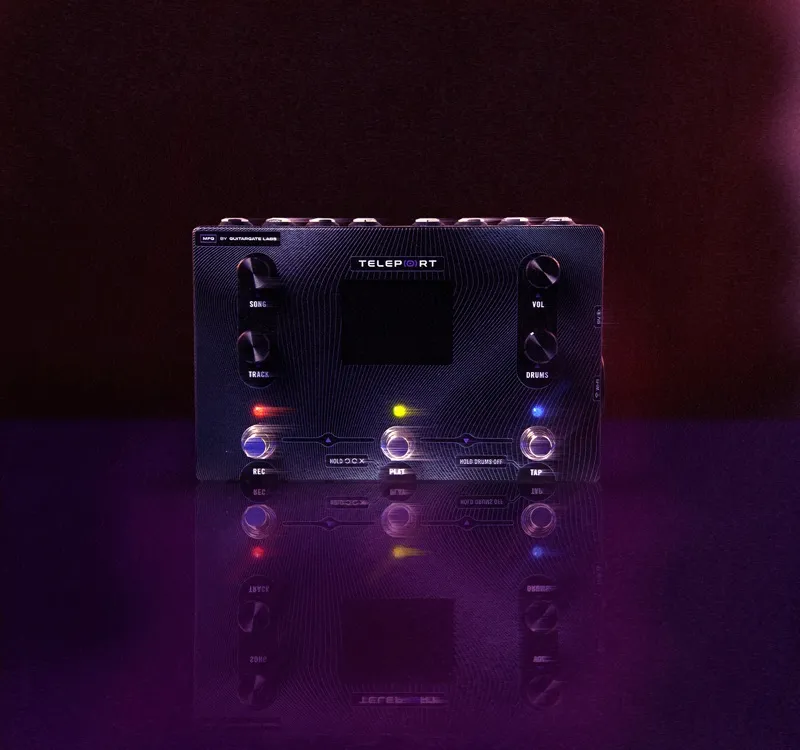
You need a Teleport pedal for this
Downloading songs sends them straight to your Teleport. Grab a pedal to jam these songs alongside the rest of the community.
- Sync and download songs straight to your pedal
- Collaborate: add your own take to community songs
- The pedal is yours to keep forever
★ 4.9 stars across 138 reviews
Register your Teleport
Already have a Teleport? Open the GuitarGate app to register it — or scan the QR code on the box to get started.
Open app to registerThis download is for members
Membership ships with the Teleport Pedal, so you can play these songs with the rest of the community — and unlocks every download on GuitarGate.
- Teleport Pedal included — yours to keep
- Unlimited song downloads & exports
- Full access to the entire course library